





How to Reduce Stress Naturally
Stress is a normal part of life, but when it becomes frequent or overwhelming, it can affect your physical health, emotional well-being, and overall quality of life. Work responsibilities, family commitments, financial concerns, and everyday challenges can all contribute to stress.
The good news is that you don’t need expensive treatments or complicated routines to manage everyday stress. Small, healthy lifestyle changes can help you feel calmer, improve your mood, and support your mental and physical well-being.
In this guide, you’ll discover practical, science-based habits that can help reduce stress naturally.
What Is Stress?
Stress is your body’s natural response to challenges or demanding situations. Short-term stress can help you stay focused and alert, but ongoing stress may affect your sleep, energy levels, concentration, and overall health.
Learning healthy coping strategies is one of the best ways to protect your well-being.
Common Causes of Stress
Many different situations can lead to stress, including:
- Busy work or school schedules
- Financial worries
- Family responsibilities
- Relationship challenges
- Poor sleep habits
- Health concerns
- Major life changes
- Lack of work-life balance
Recognizing your personal stress triggers is the first step toward managing them.
1. Practice Deep Breathing
Deep breathing is one of the simplest and most effective ways to relax your body.
Try This Exercise
- Breathe in slowly through your nose for 4 seconds.
- Hold your breath for 4 seconds.
- Breathe out gently through your mouth for 6 seconds.
- Repeat for 5–10 minutes.
Deep breathing may help you feel calmer during stressful moments.
2. Stay Physically Active
Regular physical activity supports both physical and mental health.
Good activities include:
- Walking
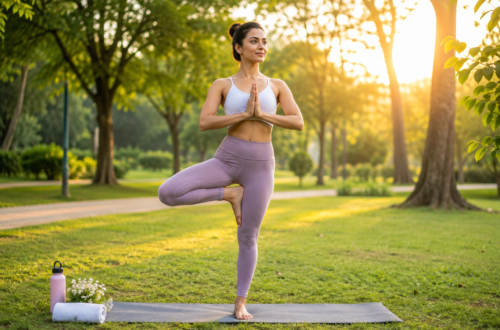
- Yoga
- Cycling
- Swimming
- Dancing
- Light strength training
Aim for at least 150 minutes of moderate exercise each week, if appropriate for your health.
3. Eat a Balanced Diet
The foods you eat can influence your energy and overall well-being.
Include:
- Fresh fruits
- Colorful vegetables
- Whole grains
- Lean proteins
- Nuts and seeds
- Healthy fats
Try to limit highly processed foods, sugary drinks, and excessive snacks.
4. Get Enough Sleep
Quality sleep is essential for managing stress.
Healthy sleep habits include:
- Going to bed at the same time each night
- Creating a relaxing bedtime routine
- Keeping your bedroom cool and quiet
- Avoiding screens before bedtime
Most adults generally benefit from 7–9 hours of sleep every night.
5. Spend Time in Nature
Being outdoors can help you relax and recharge.
Simple ideas:
- Walk in a local park
- Sit in a garden
- Enjoy fresh air
- Spend time in natural surroundings
6. Stay Connected with Others
Supportive relationships are important for emotional well-being.
Talk with:
- Family members
- Friends
- Trusted colleagues
Sharing your thoughts can make stressful situations feel more manageable.
7. Stay Hydrated
Water plays an important role in keeping your body functioning properly.
Drink water regularly throughout the day, especially during hot weather or physical activity.
8. Reduce Caffeine Intake
Too much caffeine may make some people feel more anxious or interfere with sleep.
Consider replacing some caffeinated drinks with:
- Herbal tea
- Water
- Fruit-infused water
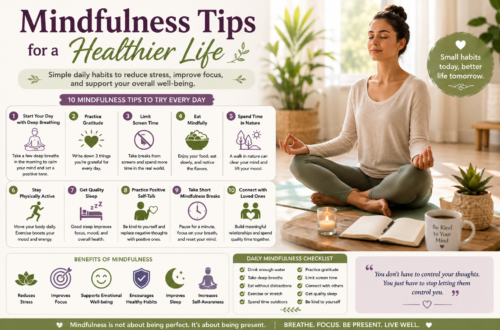
9. Practice Mindfulness and Meditation
Mindfulness encourages you to focus on the present moment instead of worrying about the past or future.
You can practice mindfulness by:
- Meditating for 10 minutes
- Writing in a journal
- Listening to calming music
- Doing gentle stretching
10. Make Time for Your Hobbies
Doing activities you enjoy helps your mind relax.
Examples include:
- Reading
- Painting
- Cooking
- Gardening
- Photography
- Crafting
11. Take Short Breaks
If you work or study for long periods, regular breaks can improve focus and reduce mental fatigue.
Every hour, try to:
- Stand up and stretch
- Walk for a few minutes
- Drink water
- Rest your eyes from screens
12. Practice Gratitude
Focusing on positive moments can improve your outlook.
Each day, write down three things you’re thankful for. This simple habit may help you develop a more positive mindset over time.
Daily Stress Relief Checklist
✅ Practice deep breathing
✅ Exercise regularly
✅ Eat healthy meals
✅ Stay hydrated
✅ Sleep 7–9 hours
✅ Spend time outdoors
✅ Stay connected with loved ones
✅ Practice mindfulness
✅ Enjoy your hobbies
Benefits of Managing Stress Naturally
Healthy stress management may help:
- Improve your mood
- Increase energy
- Support better sleep
- Improve concentration
- Support heart health
- Enhance overall well-being
When Should You Seek Professional Help?
If stress becomes overwhelming, lasts for several weeks, or affects your daily life, relationships, or work, it’s important to speak with a qualified healthcare professional or mental health provider. Professional guidance can provide personalized support and effective treatment options when needed.
Final Thoughts
Stress is a natural part of life, but it doesn’t have to take control of your health. Simple daily habits—such as exercising, eating nutritious foods, getting enough sleep, staying connected with loved ones, and practicing mindfulness—can help you manage stress in a healthy way.
Remember, lasting change comes from consistency. Start with one healthy habit today and gradually build a routine that supports a calmer, happier, and healthier life.
Frequently Asked Questions
What is the fastest natural way to reduce stress?
Deep breathing, taking a short walk, listening to calming music, or spending time outdoors can help reduce stress in the moment.
Can exercise really help with stress?
Yes. Regular physical activity is associated with better mood and improved stress management.
Does sleep affect stress levels?
Absolutely. Poor sleep can make stress feel more intense, while quality sleep supports both mental and physical well-being.
Is meditation necessary?
No. Meditation can be helpful for many people, but other relaxation techniques such as deep breathing, gentle exercise, or spending time in nature may also reduce stress.